


Our Agenda
Cancelling your registration will remove your access to the event. If you proceed, you will no longer be able to participate or access event-related materials.
Deleting your account will remove your access to the event.
Need Technical Assistance? ✉ tech@vfairs.com

Alex Gray
International Moderator
International Moderator
Alex Gray is an internationally renowned live MC and television host, recognised for her versatility across a wide range of sectors, including sport, health, finance, and lifestyle. Her presenting work has seen her host for prestigious names such as the BBC, Henley & Partners, QVC, and Red Bull.
Alongside her broadcasting and live hosting career, Alex has become a respected voice within the autoimmune community, speaking at events including the Allergen and Free From Show and the Genesis Health Conference. After appearing as a contestant on the BBC hit show The Traitors, she has also developed a series of talks on the psychology of lying, informed by both her first-hand experience on the programme and her academic training in psychology.
Alex grew up in Cambridge and graduated from University College London with a first-class BSc in Psychology.
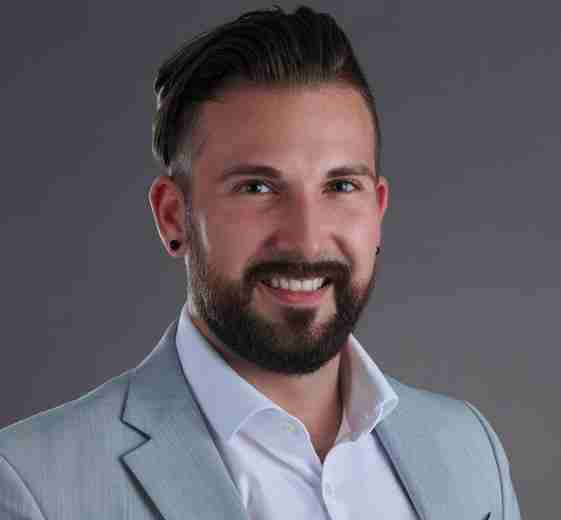
Kevin Bürchler
CEO, SIP Medical Family Office
CEO, SIP Medical Family Office
At the beginning of his career, Kevin worked for Swiss Re in the large corporate direct insurance division called Swiss Re Corporate Solutions. A personal incident of medical malpractice has made him find his purpose in health management. Today, Kevin is the CEO at SIP Medical Family Office. For over 25 years, individuals, families, and companies have been relying on SIP’s expertise to protect their health around the world. Founded as an International Private Medical Insurance advisor, SIP has developed into what is today known as a Medical Family Office. Combining the expertise from private medical insurance with a holistic approach towards proactively planning one’s health, it has been SIP’s mission to protect people’s health since 1997.
While International Private Medical Insurance remains an important focus, SIP has developed a Medical Concierge proposition to plan people’s health strategically and ensure better outcomes in acute situations. This ranges from Privileged Healthcare to Preventive Medicine, Longevity, Medical Records Management, and more.
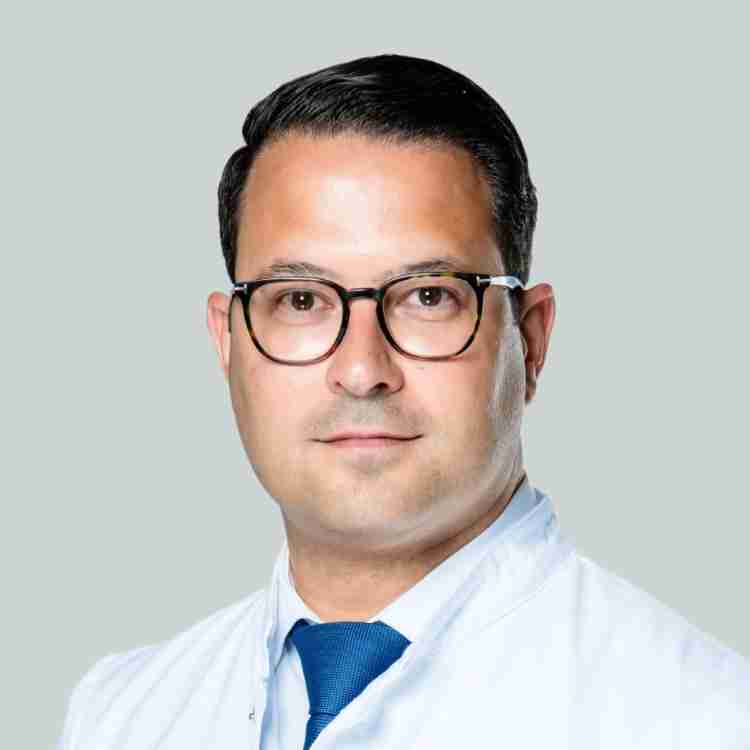
PD Dr. med. Dr. sc. nat. Erik W. Holy
Internist and Cardiologist, Swiss CVC
Internist and Cardiologist, Swiss CVC
PD Dr. med. Dr. sc. nat. Erik Walter Holy is a Swiss-based cardiologist, angiologist, and specialist in internal medicine with expertise in interventional cardiovascular care. A former leader at the University Hospital Zurich, he combines clinical excellence with scientific research, focusing on advanced heart and vascular diagnostics and treatment.
Cardiovascular disease remains the dominant driver of early mortality worldwide. This session focuses on evidence-based prevention strategies, from advanced risk stratification and lipid management to lifestyle, digital monitoring, and system-level interventions. It highlights where prevention delivers the greatest longevity impact and how to translate guidelines into measurable, long-term outcomes.

Shane Bakker
The Longevity Hunter , Health Corp
The Longevity Hunter , Health Corp
The Longevity Hunter (Shane) is focused on building scalable health, performance, and longevity ventures. With over 40 years’ experience, he operates at the intersection of athlete performance, preventative health, and longevity science—translating emerging innovations into investable, real-world solutions for private clients and family offices.

Harry Büsser
Author
Author
Harry Büsser is the author of Longevity – 50 Antworten rund ums längere Leben, an award-winning journalist, and an expert in finance and longevity. He examines what is scientifically well established when it comes to healthy ageing — and what is more hype than hard evidence. As a long-standing business editor and TV expert, he makes complex topics accessible and brings an evidence-based, practical perspective to longevity. He studied Risk Management at the University of St. Gallen and is a CFA Charterholder.
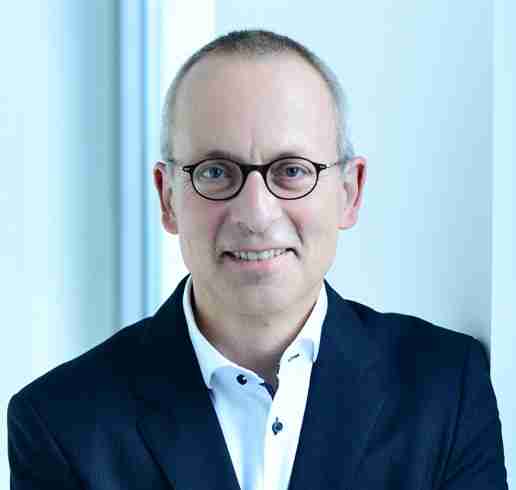
Prof. Hubert Trübel, MD, MBA
Co-Founder, The Knowledge House GmbH
Co-Founder, The Knowledge House GmbH
Prof. Hubert Trübel is board certified in pediatrics and in several pediatric subspecialties including cardiology. He was active in Germany and the USA as a physician as well as in the pharmaceutical industry, both in biotech and big pharma, where he worked in various roles, from preclinical to clinical research, digital biomarker development to innovation-, project- and operations-management. In 2024, he joined the DEBRA Research gGmbH as one of three managing directors.
He lectures on pharmacology and drug development at the University of Witten/Herdecke and holds an MBA from the University of Illinois.
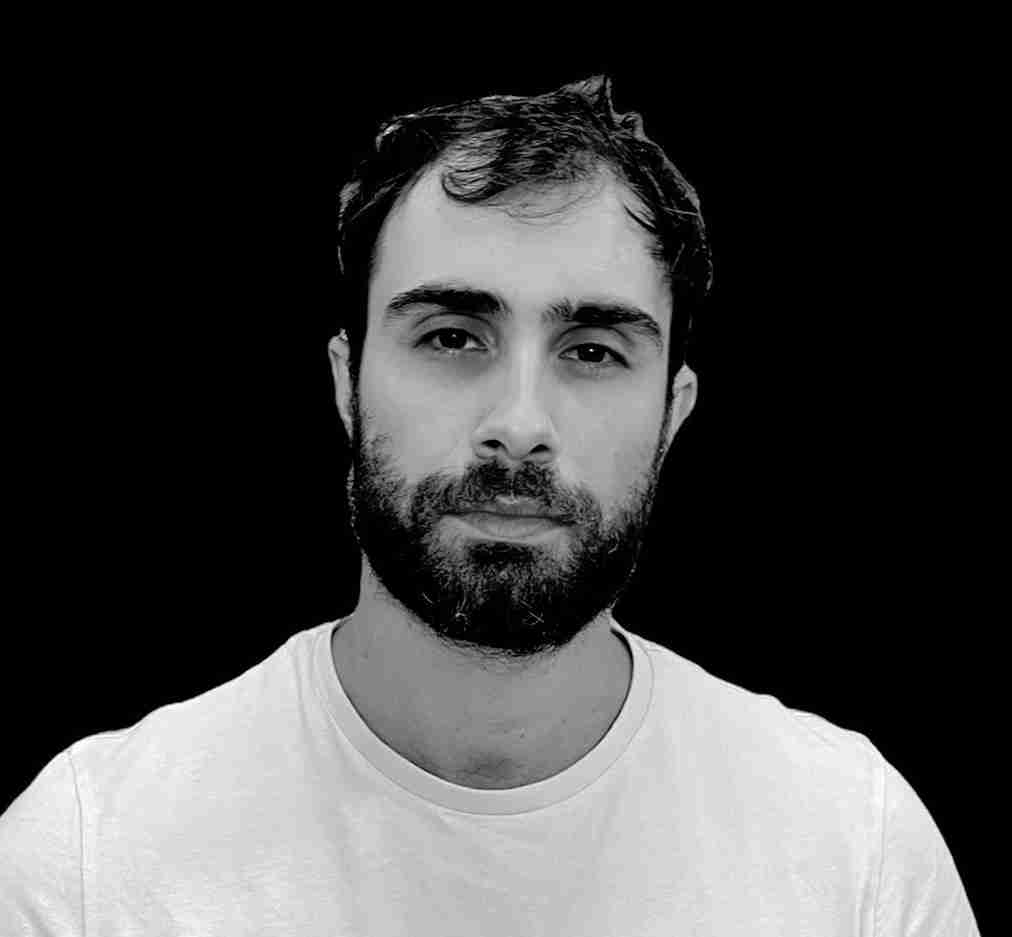
Prof. Alessio Lanna, Ph.D.
Founder, Sentcell Ltd.
Founder, Sentcell Ltd.
He obtained his Ph.D. from University College London under a Medical Research Council studentship (2011–2016), and subsequently served as a Sir Henry Wellcome Trust Postdoctoral Fellow at the University of Oxford (2016–2019). He currently holds an Honorary Professorship at UCL in recognition of paradigm-shifting research in cellular ageing and T lymphocyte senescence.
He was the first to identify a previously unrecognised, druggable pro-ageing sestrin–MAPK activation complex (sMAC), and to define the anti-ageing mechanism of telomere vesicle transfer at the immune synapse between antigen-presenting cells and T lymphocytes. He continues to refine and expand these discoveries, shaping the field of immune senescence.
His mission is to establish Sentcell as a first-in-class therapeutic platform capable of reversing or delaying key aspects of the ageing process.
More recently, he has described a functional HIV cure paradigm based on T cell rejuvenation principles, alongside the discovery of telomere “Rivers”, linking systemic rejuvenation to T cell youth for the first time.
He holds over 50 patent applications, with a further ~50 in submission in the field of immune and systemic rejuvenation.
Under his leadership, Sentcell has advanced multiple first-in-class assets to clinical stage, positioning the company at the forefront of next-generation immunological therapeutics and on a clear trajectory toward multi-billion-dollar valuation.
This session critically examines emerging longevity interventions, including NMN, GLP-1s, collagen, photobiomodulation, and more. It assesses biological rationale, clinical evidence, regulatory status, real-world outcomes, highlighting where promise is justified, where risks remain, and how clinicians, investors, and patients should interpret rapidly evolving claims.
Kevin Bürchler
CEO, SIP Medical Family Office
CEO, SIP Medical Family Office
At the beginning of his career, Kevin worked for Swiss Re in the large corporate direct insurance division called Swiss Re Corporate Solutions. A personal incident of medical malpractice has made him find his purpose in health management. Today, Kevin is the CEO at SIP Medical Family Office. For over 25 years, individuals, families, and companies have been relying on SIP’s expertise to protect their health around the world. Founded as an International Private Medical Insurance advisor, SIP has developed into what is today known as a Medical Family Office. Combining the expertise from private medical insurance with a holistic approach towards proactively planning one’s health, it has been SIP’s mission to protect people’s health since 1997.
While International Private Medical Insurance remains an important focus, SIP has developed a Medical Concierge proposition to plan people’s health strategically and ensure better outcomes in acute situations. This ranges from Privileged Healthcare to Preventive Medicine, Longevity, Medical Records Management, and more.
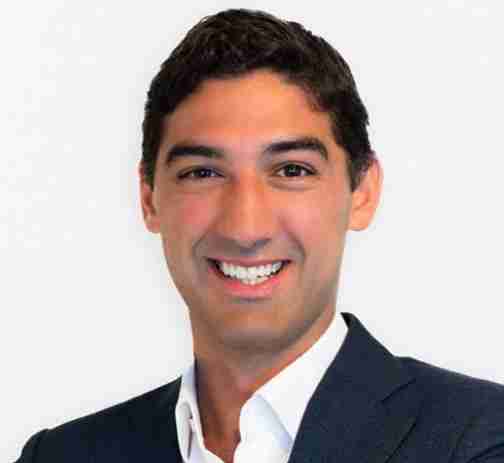
Dr. Aaron Dehghan
GP and Clinical Expert, Nexus Longevity
GP and Clinical Expert, Nexus Longevity
Aaron Dehghan is a physician with an exceptional record of clinical excellence, academic distinction, and global experience in personalized medicine. He graduated in the top 1% in his class at both the University of Manchester (Anatomical Science) and Imperial College London (MBBS with highest honours).
He was awarded the prestigious “Proxime Accessit to the Gold Medal” by the University of London, one of multiple accolades recognizing his outstanding medical performance. He also holds a Diploma in Geriatric medicine (DGM) from the Royal College of Physicians (RCP) U.K.
Dr. Dehghan’s career spans frontline emergency care, internal medicine, and concierge-style family practice from Beverly Hills to Oxford to Gibraltar. With a rare ability to combine deep scientific insight with day-to-day clinical pragmatism, he helps clients navigate the full spectrum of their health with clarity, precision, and compassion.
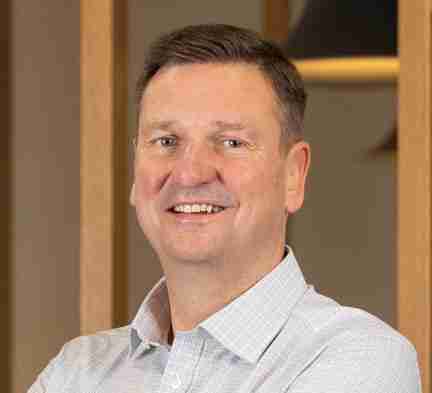
Steve Martin
Head of Broker Sales - UK & Europe, Cigna Healthcare
Head of Broker Sales - UK & Europe, Cigna Healthcare
Steve Martin has been in the Global Health Insurance Industry for more than 25 years, working for some of the largest companies in the industry. Steve has held various different positions in different regions throughout the world. He has worked for Cigna Healthcare for 10 years now and has significantly grown the Cigna Healthcare Global Individual Health business throughout Europe and the UK with key Broker Partners. Steve lives in Manchester, UK with his wife and 2 children. He is a keen golfer and cyclist (when he gets time!) and enjoys taking his children to their various sports activities at the weekend.
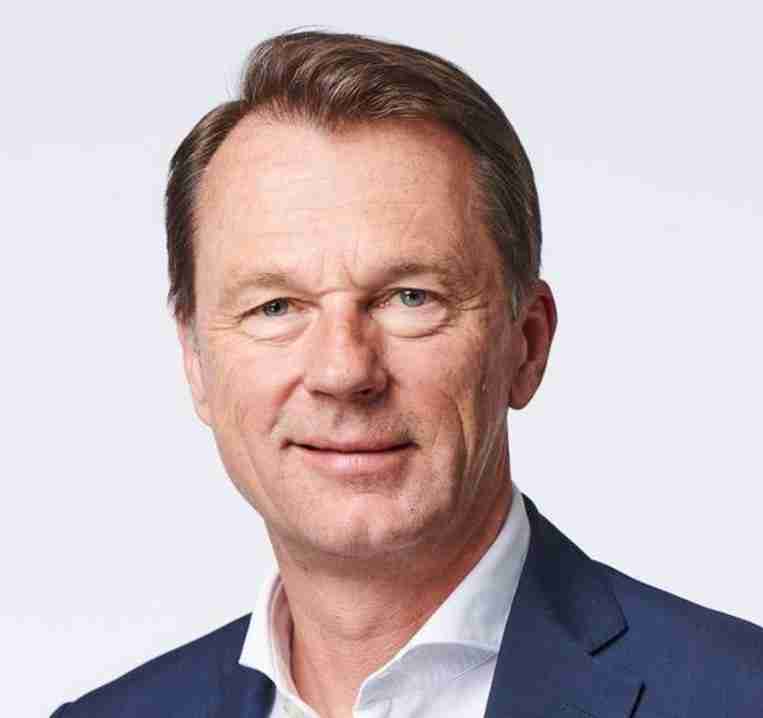
Dirk Schütz
Moderator
Editor-in-Chief, BILANZ
Editor-in-Chief, BILANZ
Dirk Schütz has been editor-in-chief of the business magazine BILANZ since 2008. He studied economics and journalism in Geneva and Fribourg and graduated from the Hamburg School of Journalism. Prior to his current position, he was editor-in-chief of the business newspaper CASH and deputy editor-in-chief of the German business magazine Wirtschaftswoche. He is the author of several books such as ‘Der Fall der UBS’, “Milliardäre” and most recently “Too close to the wind – why Credit Suisse had to go down” . He regularly hosts the ‘BILANZ Business Talk’ programme on Swiss television channel SRF.
Most people will face complex medical decisions at some point in their lives. This session uses real patient cases to illustrate how important it is to know how to navigate the healthcare system when becoming a patient. It offers practical lessons on preparation, advocacy, second opinions, and decision-making to help patients reduce avoidable harm and navigate care more effectively.
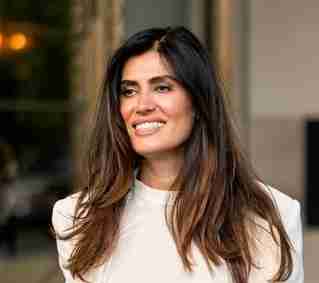
Dr. med. dent. Sahar Haroon
Founder and Dentist, Swiss Longevity Dental Boutique
Founder and Dentist, Swiss Longevity Dental Boutique
Dr Sahar Haroon is a Swiss-based holistic dentist and founder of the Swiss Longevity Dental Boutique - Journey of the Smile in Zurich - specializing in preventive, aesthetic, and regenerative dentistry, focusing on the connection between oral health, systemic wellbeing, and longevity. She is also a columnist for FACES Magazine and has been an invited guest speaker on German-language podcasts.
Oral health is a powerful yet often overlooked driver of longevity. Conditions such as gum disease are linked to systemic inflammation, cardiovascular risk, and cognitive decline. This session explores how maintaining a healthy mouth can support whole-body health and extend healthspan.
Kevin Bürchler
CEO, SIP Medical Family Office
CEO, SIP Medical Family Office
At the beginning of his career, Kevin worked for Swiss Re in the large corporate direct insurance division called Swiss Re Corporate Solutions. A personal incident of medical malpractice has made him find his purpose in health management. Today, Kevin is the CEO at SIP Medical Family Office. For over 25 years, individuals, families, and companies have been relying on SIP’s expertise to protect their health around the world. Founded as an International Private Medical Insurance advisor, SIP has developed into what is today known as a Medical Family Office. Combining the expertise from private medical insurance with a holistic approach towards proactively planning one’s health, it has been SIP’s mission to protect people’s health since 1997.
While International Private Medical Insurance remains an important focus, SIP has developed a Medical Concierge proposition to plan people’s health strategically and ensure better outcomes in acute situations. This ranges from Privileged Healthcare to Preventive Medicine, Longevity, Medical Records Management, and more.
Mark Jackson
Founder and CEO, Vitaspan
Founder and CEO, Vitaspan
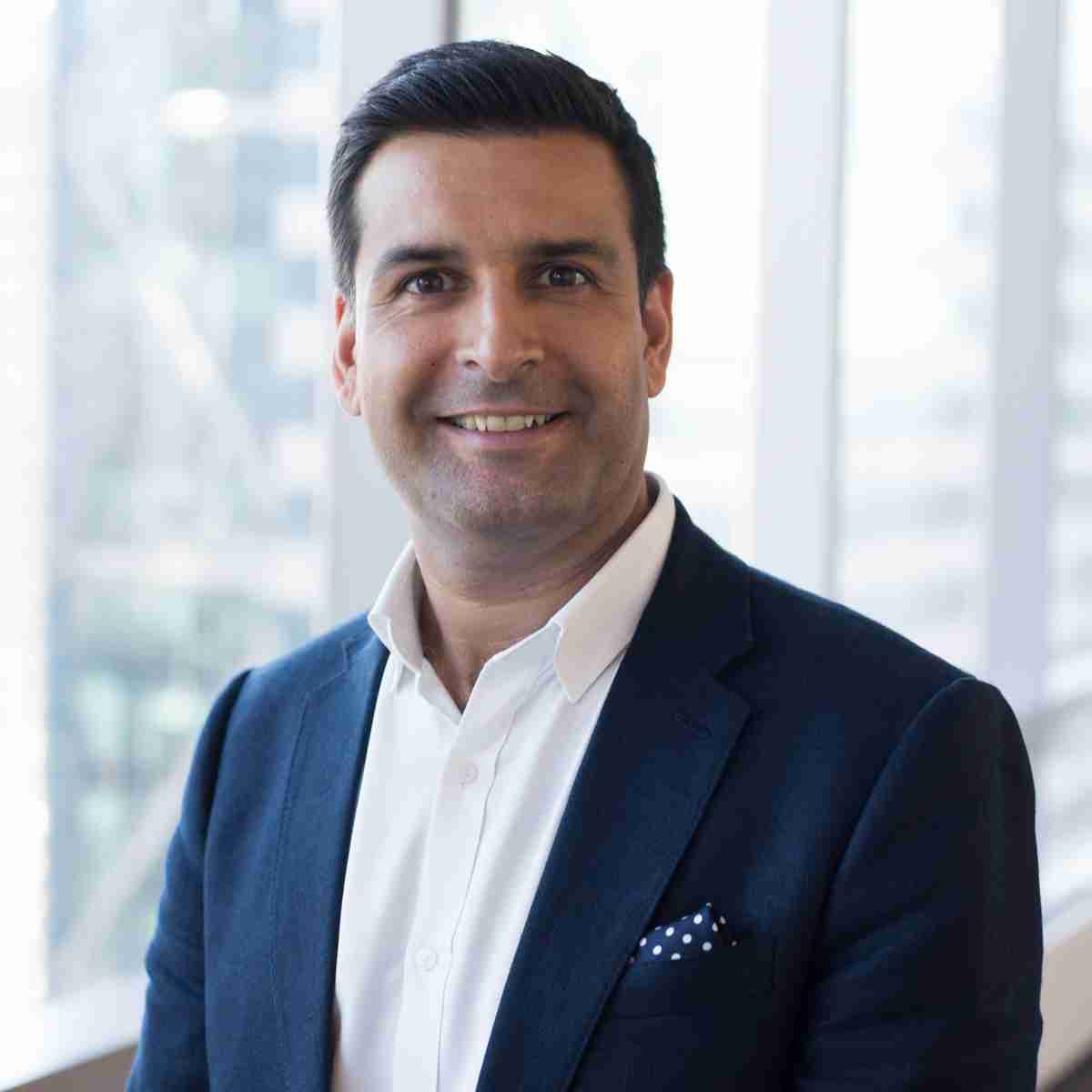
Mark Jackson is the Founder and CEO of Vitaspan, a health-data infrastructure platform designed to unify fragmented medical records into a structured longitudinal health record. Vitaspan enables clinics, physicians, and patients to access a complete health picture while supporting AI-driven risk prediction for preventative medicine. Mark spent more than two decades in global technology leadership, including senior roles at Thomson Reuters, where he built large-scale strategic partnerships with firms such as Microsoft, IBM, and Oracle. His work with Vitaspan focuses on solving one of healthcare’s most persistent problems: the fragmentation of medical data across countries, providers, and systems. This challenge is particularly acute for internationally mobile families.
Mark’s mission is to give individuals true ownership of their health information while enabling physicians to deliver more proactive and personalised care.
For internationally mobile individuals and families, accessing and managing medical records across multiple providers, countries, and healthcare systems remains fragmented and inefficient. SIP introduces a secure, patient-centric Electronic Health Record platform designed specifically for global citizens, providing centralized, AI-supported access to medical reports, laboratory results, imaging, prescriptions, and lifelong health data, anytime and anywhere.
Nathan Ikon Crumpton
Olympian
Olympian
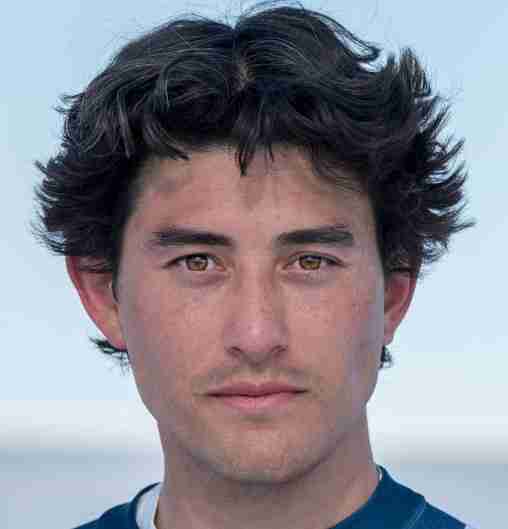
Nathan Ikon Crumpton is a two-time, two-sport Olympian. One of fewer than 75 Olympians in history to compete individually in both the Summer & Winter Olympics, he achieved a highest world rank of 8th in skeleton racing and finished 3x as the top American at global championships. Competing in athletics for American Samoa, he holds two national records and was the 3x national champion in the 100m. He is a cum laude graduate of Princeton University and a cosmopolitan entrepreneur. Beyond sports, Crumpton is a multi-agency-represented model, a gallery-represented photographer, and the author of the non-fiction novel Alpha Status. Having lived in seven countries on four continents, he brings a uniquely global perspective to his diverse professional and athletic pursuits.
Dr. Aaron Dehghan
GP and Clinical Expert, Nexus Longevity
GP and Clinical Expert, Nexus Longevity
Aaron Dehghan is a physician with an exceptional record of clinical excellence, academic distinction, and global experience in personalized medicine. He graduated in the top 1% in his class at both the University of Manchester (Anatomical Science) and Imperial College London (MBBS with highest honours).
He was awarded the prestigious “Proxime Accessit to the Gold Medal” by the University of London, one of multiple accolades recognizing his outstanding medical performance. He also holds a Diploma in Geriatric medicine (DGM) from the Royal College of Physicians (RCP) U.K.
Dr. Dehghan’s career spans frontline emergency care, internal medicine, and concierge-style family practice from Beverly Hills to Oxford to Gibraltar. With a rare ability to combine deep scientific insight with day-to-day clinical pragmatism, he helps clients navigate the full spectrum of their health with clarity, precision, and compassion.
Longevity isn’t a problem with a single solution—it’s an optimization challenge shaped by tradeoffs. In complex systems, you can’t maximize everything at once, and human health is no exception. Rather than chasing a cure for mortality, this session explores how to make deliberate choices between competing priorities like lifespan, quality of life, risk, and enjoyment.
Matt Piell
CEO, AllCore360
CEO, AllCore360
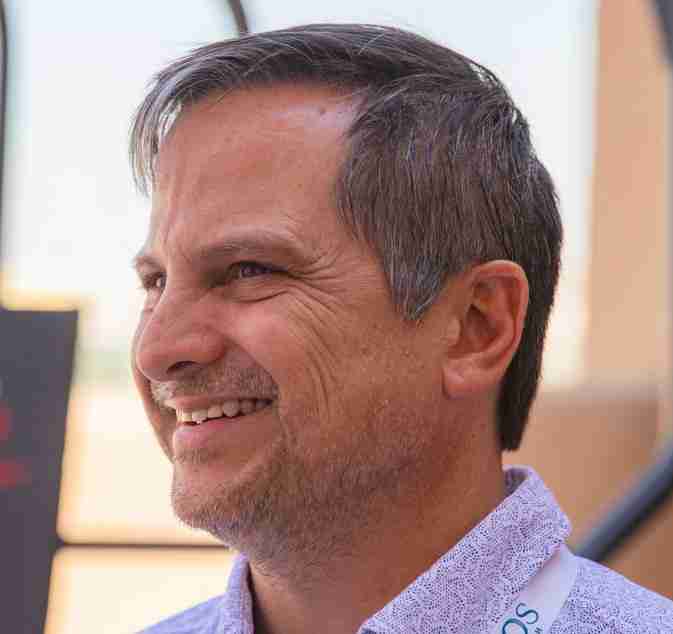
Matt Piell is the CEO of AllCore360, a global health and wellness technology company focused on advancing neuromuscular activation, recovery, performance, and longevity through innovative movement-based solutions. Under his leadership, AllCore360 has expanded into more than 15 countries with over 200+ clinics and facilities worldwide utilizing the company’s technology to support rehabilitation, proactive wellness, and human performance. Passionate about improving quality of life through science-driven innovation, Matt is committed to helping bridge the gap between healthcare, recovery, and longevity by making advanced neuromuscular technologies accessible to individuals of all ages and mobility levels.
This session explores the powerful connection between core strength, spinal health, and healthy aging. Learn why back pain is often rooted in poor core function, how everyday movement habits impact long-term mobility, and what simple strategies can help build a stronger, more resilient body. Attendees will gain practical tools to reduce pain, improve stability, and support longevity through better movement and core function.
Dr. Christian H Kälin
Founder & Chairman, SIP Medical Family Office
Founder & Chairman, SIP Medical Family Office
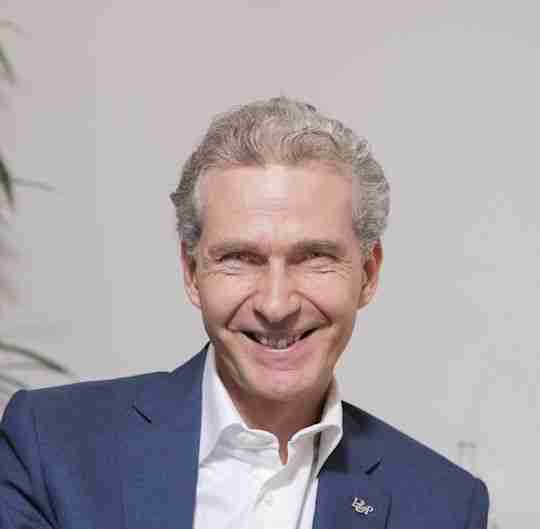
Dr. Christian H. Kälin, TEP, FIMC, Chairman of Henley & Partners, is one of the world’s foremost experts in investment migration and citizenship-by-investment, a field he pioneered. Holding master’s and PhD degrees in law and a PhD in philosophy, he is a sought-after speaker and advises governments and international organizations. He is the author, co-author, and editor of many publications.
Trained as a banker, he also co-founded an investment management firm, Arnova Capital, which has a successful track record of over twenty years of consistent double-digit returns, and founded several other companies, including SIP Medical Family Office, established in 1997.
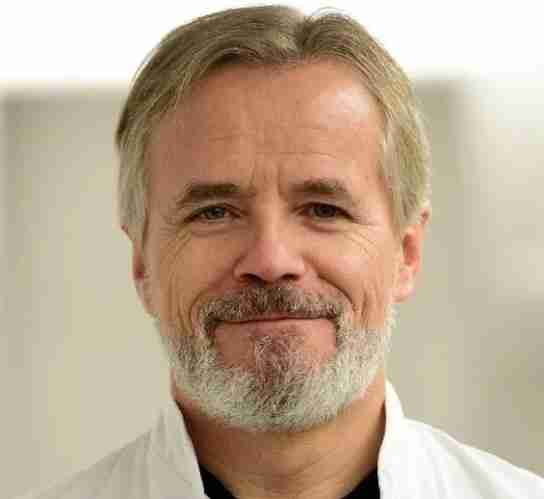
Prof. Dr. Dr. h.c. Paul Robert Vogt
Founder & Chairman, EurAsia Heart Foundation
Founder & Chairman, EurAsia Heart Foundation
Thanks to decades of experience in the field of cardiovascular surgery, I have been able to gain a corresponding wealth of experience in more than 11,500 operations. This enables me to perform even the most difficult operations on the heart, the aorta in the chest and abdominal area, the heart valves and the coronary vessels with the greatest possible safety for the patient.
Thanks to my many years of experience at the University Hospital Zurich and Hirslanden Group or as Medical Director of the Cardiac Surgery Department of the University Hospital Giessen-Marburg, I am able to provide optimal care for patients with cardiovascular surgical diseases. My experience is complemented by my surgical work in 14 countries in Eastern Europe and Asia, which I have carried out over the last 20 years within the framework of the "EurAsia Heart - A Swiss Medical Foundation", which I established, and which includes adult surgery, paediatric cardiac surgery as well as surgery for congenital heart defects in adults.
I am convinced and at the same time pleased that my patients, whom I am currently treating at Hirslanden Group and Klinik im Park, can also benefit from my broad international activities in complex cardiovascular surgery.
This session cuts through longevity hype and emphasizes why it is important to focus on scientifically validated, clinically relevant, and practically actionable care only. It explores how to distinguish robust evidence from speculation, marketing, and experimental care, and debates why more common sense is required in the longevity conversation: Enjoying life, friendship, and balance to achieve a high- quality lifestyle.
Join us for lunch and take the opportunity to network with our partners and fellow attendees. A special book signing will also be available, offering the chance to meet the authors and have your copy personally signed.
Featuring:
Dirk Schütz
Moderator
Editor-in-Chief, BILANZ
Editor-in-Chief, BILANZ
Dirk Schütz has been editor-in-chief of the business magazine BILANZ since 2008. He studied economics and journalism in Geneva and Fribourg and graduated from the Hamburg School of Journalism. Prior to his current position, he was editor-in-chief of the business newspaper CASH and deputy editor-in-chief of the German business magazine Wirtschaftswoche. He is the author of several books such as ‘Der Fall der UBS’, “Milliardäre” and most recently “Too close to the wind – why Credit Suisse had to go down” . He regularly hosts the ‘BILANZ Business Talk’ programme on Swiss television channel SRF.
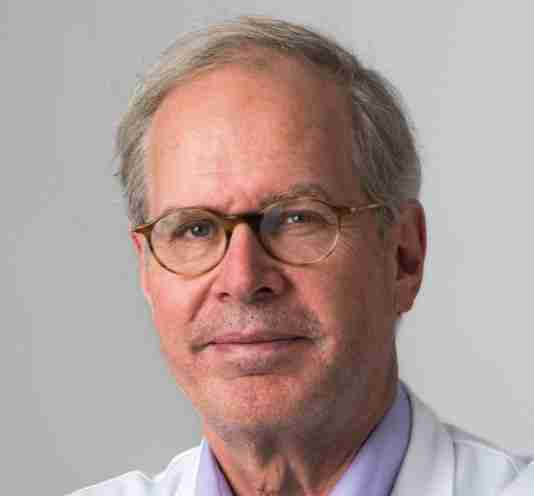
Prof. Dr. med. Dr. h.c. Thierry Carrel
Carrel Cardio Consulting
Carrel Cardio Consulting
Dr. Christian H Kälin
Founder & Chairman, SIP Medical Family Office
Founder & Chairman, SIP Medical Family Office
Dr. Christian H. Kälin, TEP, FIMC, Chairman of Henley & Partners, is one of the world’s foremost experts in investment migration and citizenship-by-investment, a field he pioneered. Holding master’s and PhD degrees in law and a PhD in philosophy, he is a sought-after speaker and advises governments and international organizations. He is the author, co-author, and editor of many publications.
Trained as a banker, he also co-founded an investment management firm, Arnova Capital, which has a successful track record of over twenty years of consistent double-digit returns, and founded several other companies, including SIP Medical Family Office, established in 1997.
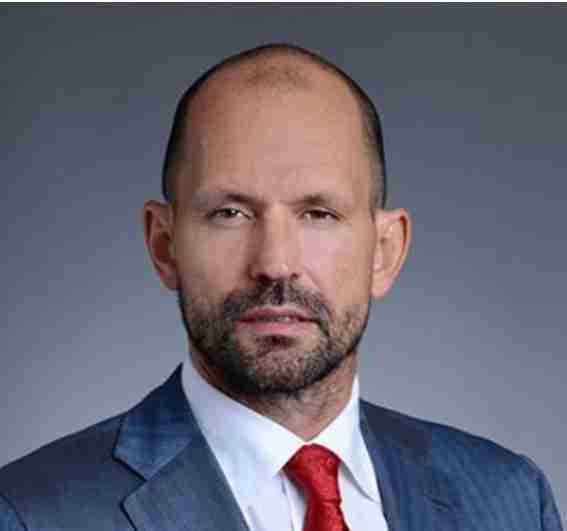
PD Dr. André Plass FECTS
Cardiac Surgeon & Entrepreneur, Quantum Medtech AG
Cardiac Surgeon & Entrepreneur, Quantum Medtech AG
PD Dr. André Plass is a distinguished cardiac surgeon, scientist, entrepreneur, inventor, and politician with more than 2,500 cardiac surgical procedures performed. He completed his habilitation at the University of Zurich in the field of medical and cardiac imaging, with a focus on advanced preoperative planning and precision-based cardiovascular medicine.
Alongside his clinical career, he is the founder of the companies Plass Rescue Technologies AG and Quantum Medtech AG developing next-generation rescue technologies, including medical devices and AI-supported software systems designed to accelerate and optimize emergency response operations. In this field, he collaborates closely with military special operations units and holds multiple patents related to medical and rescue technologies.
Dr. Plass also serves as a politician in the Canton of Schwyz, where he is a member of the Cantonal Parliament and advocates for healthcare reform as well as modernization of medical infrastructure. He became publicly known in Switzerland as a medical whistleblower after exposing serious irregularities and questionable implant practices within the Clinic for cardiac surgery of the University Hospital Zurich— concerns that were later confirmed after years of investigation.
Through his company Dr.Plass Medical Consulting, he advises patients and legal teams in complex medical and medico-legal cases. In addition, he is involved in the development of innovative hospital concepts, executive check-up centers, and specialized healthcare projects.
This session examines how financial incentives and institutional pressures can influence medical decision-making, creating conflicts of interest that may compromise patient care. Using the heart surgery scandal at the University Hospital Zurich as a case study, the discussion will explore the ethical challenges that arise when reputation, research ambitions, and financial considerations intersect with clinical practice.
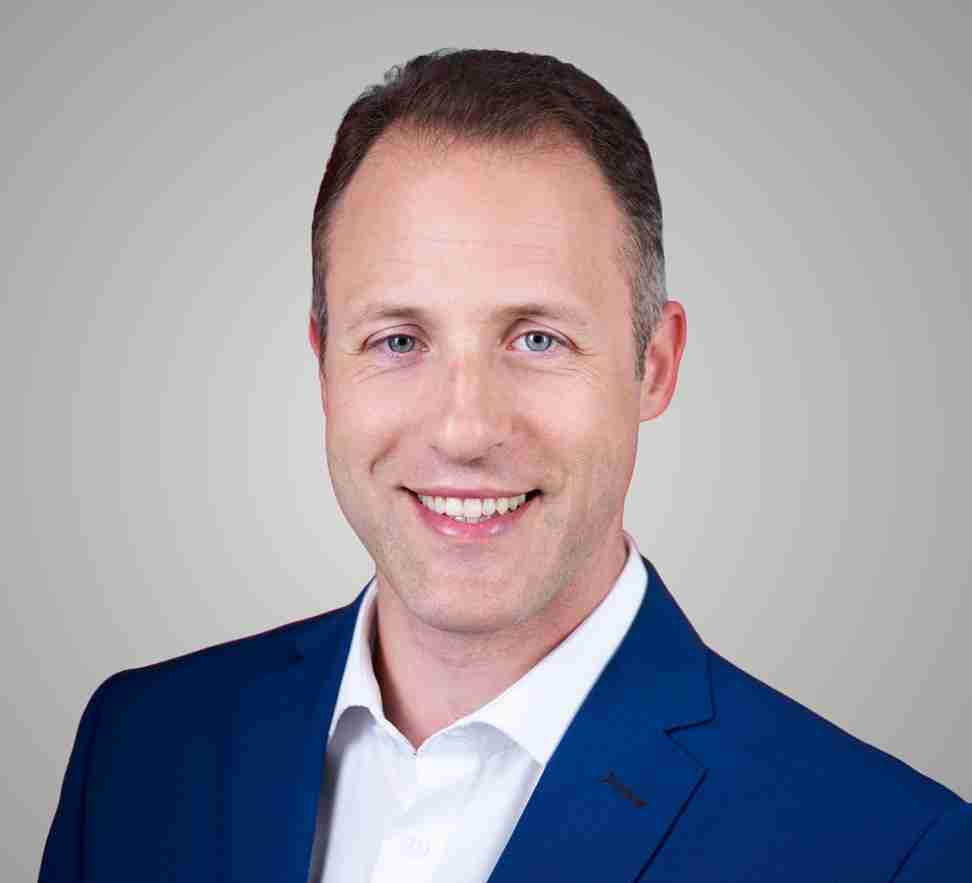
Dr. Vladimir Cmiljanovic
Founder, CEO, and Chairman, Swiss Rockets AG
Founder, CEO, and Chairman, Swiss Rockets AG
Dr. Vladimir Cmiljanovic is a renowned biotech entrepreneur, cancer scientist, and medicinal chemist with more than 20 years of experience in oncology drug development and precision medicine. Together with his sister Natasa, he co-discovered bimiralisib (PQR309), a potentially best-in-class dual PI3K/mTOR inhibitor for multiple cancer indications.
As Founder, CEO, and Chairman of Swiss Rockets AG, Vladimir leads an innovative biotech ecosystem focused on advancing transformative healthcare technologies. Founded in 2018, Swiss Rockets Group has built a portfolio of niche-leading biotechnology companies spanning oncology, radioligand therapy, infectious diseases, and autoimmune disorders, with programs ranging from late-stage preclinical development to Phase III clinical trials.
Under Vladimir’s leadership, Swiss Rockets has recently expanded into the field of advanced genomics and whole genome sequencing. The company’s vision is to combine precision therapeutics, multi-omics, molecular diagnostics, and AI-driven healthcare approaches to enable earlier disease detection, personalized treatment selection, and more proactive health management.
Recognizing the growing importance of preventive medicine and healthy aging, Swiss Rockets is increasingly positioning itself at the intersection of biotechnology, genomics, and longevity science. By integrating therapeutics, diagnostics, and omics technologies into a connected ecosystem, the company aims to help shape a future in which healthcare is more predictive, personalized, accessible, and focused on extending the healthy human lifespan.
Dr. Vladimir Cmiljanovic will explore how the convergence of genomics, precision medicine, artificial intelligence, and longitudinal health data is reshaping the future of healthcare and longevity.
The session will examine the shift from reactive disease treatment to proactive, predictive, and personalized health management, enabled by advances in whole-genome sequencing, multi-omics, molecular diagnostics, and AI-driven interpretation.
The longevity revolution is happening now and will fundamentally redefine how individuals understand, monitor, and manage their health.
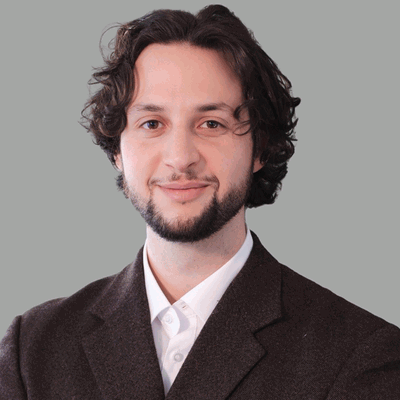
Jonathan Ronen
Private Client Advisor, Henley & Partners Switzerland AG
Private Client Advisor, Henley & Partners Switzerland AG
Jonathan Ronen is a Private Client Advisor of Henley & Partners Switzerland AG. Based in Zurich, Jonathan specializes in advising private banks, family offices, and legal professionals on sophisticated residence and citizenship planning strategies. He delivers tailored solutions that meet the complex needs of high-net-worth individuals and their advisors.
Jonathan holds a Bachelor of Arts in Business Administration with a specialization in Finance from University of Saint Gallen and is fluent in English, German, Hebrew and French, enabling him to engage effectively with a diverse international clientele.
Healthcare accessibility and quality are among the top 5 drivers of HNW migration. This session analyses global mobility trends, preferred jurisdictions, and policy implications—showing how health considerations increasingly shape residency decisions, wealth structuring, and long-term family strategy.
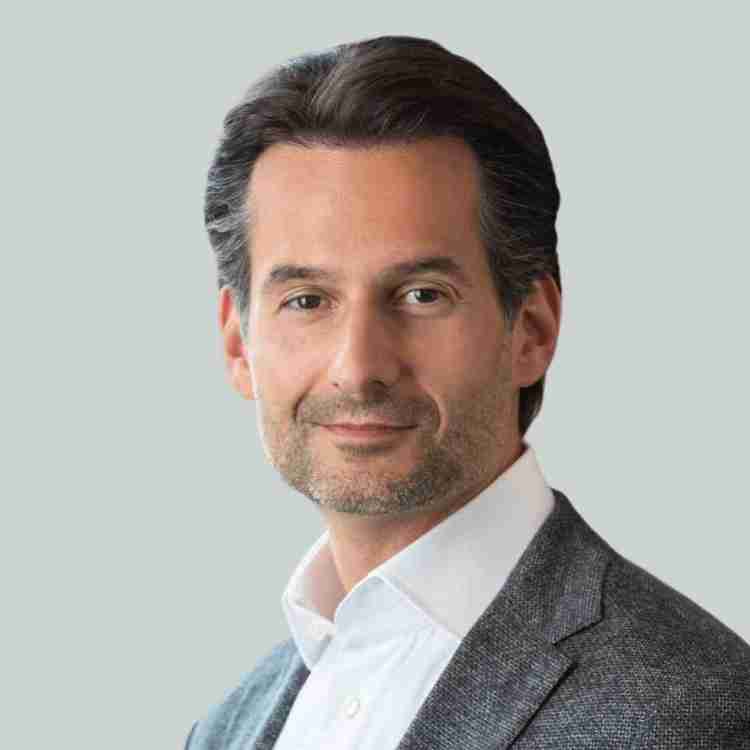
Dr. Dominik Thor
President, Geneva College of Longevity Science
President, Geneva College of Longevity Science
Dominik Thor is President of the Geneva College of Longevity Science (GCLS), the world’s first higher education institution dedicated exclusively to longevity science. An internationally recognized speaker on longevity innovation, technology, and policy, he is actively shaping the academic, clinical, and strategic development of the field.
His work focuses on building clinical and institutional frameworks for responsible longevity medicine, bridging academia, healthcare, and policy to advance longevity into a credible and scalable medical field.
Dominik serves as Chair of the GCLS Semester Symposium and Co-Chair of international scientific events, connecting experts across Europe, Asia, and the GCC. He is Professor of Pharmacy at GCLS and Visiting Professor at the University of Medicine and Pharmacy “Carol Davila”.
With a background in biomaterials and regenerative medicine, he is an active scientific author and contributor to the advancement of longevity education and policy.
Dirk Schütz
Moderator
Editor-in-Chief, BILANZ
Editor-in-Chief, BILANZ
Dirk Schütz has been editor-in-chief of the business magazine BILANZ since 2008. He studied economics and journalism in Geneva and Fribourg and graduated from the Hamburg School of Journalism. Prior to his current position, he was editor-in-chief of the business newspaper CASH and deputy editor-in-chief of the German business magazine Wirtschaftswoche. He is the author of several books such as ‘Der Fall der UBS’, “Milliardäre” and most recently “Too close to the wind – why Credit Suisse had to go down” . He regularly hosts the ‘BILANZ Business Talk’ programme on Swiss television channel SRF.
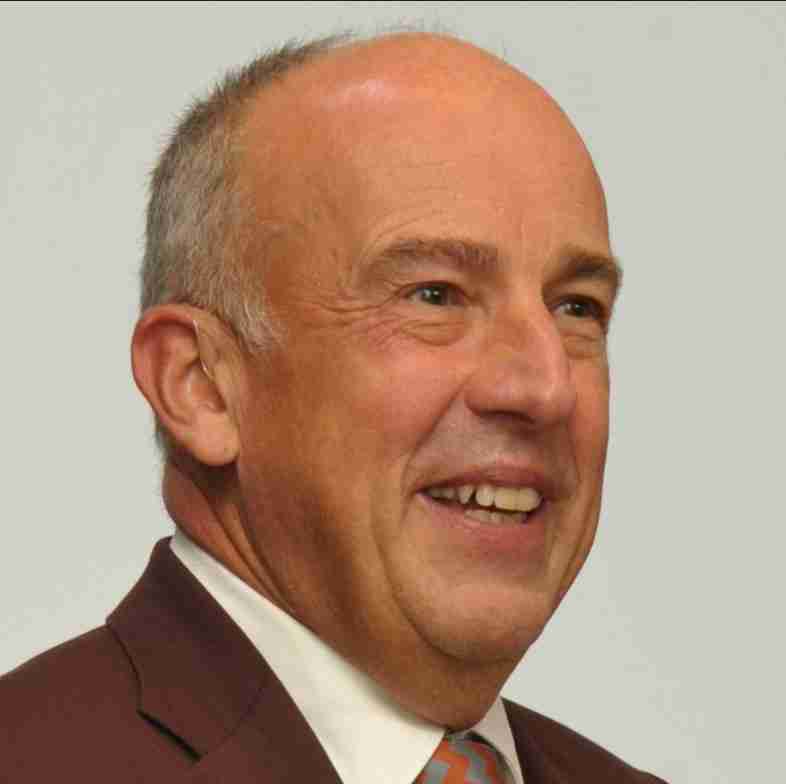
Douglas Anderson
Founder & CEO, Club Vita
Founder & CEO, Club Vita
Douglas founded Club Vita in 2008 to improve the data analytics of longevity patterns and trends, by leveraging the strong correlation between lifestyle and location. Today, Club Vita is recognised as the worldwide leader in address-based longevity models. Club Vita’s data and models for UK, Canada and US are used by around 40 insurers and reinsurers in the pension risk transfer (PRT) market. New models are currently being launched for Germany and the Netherlands.
Before committing to his entrepreneurial life, Douglas practiced as a consulting actuary for 30 years, across a diverse spectrum of engagements in the public and private sectors. He is a fellow of the UK’s Institute of Actuaries, the US’s Society of Actuaries and a Chartered Enterprise Risk Actuary.
Douglas tries to practice what he preaches. He is currently studying for a masters in longevity science at the Geneva College of Longevity Science. His course is rich in the advances of biology of aging and highlights the early signs of a shift in the way healthcare is delivered, with a move from late-life cure to mid-life prevention.
Douglas is also a non-executive on the board of Neuro-Bio Ltd, which is showing great promise in developing simple tests for the earlier diagnosis of Alzheimer’s and a treatment.
He fits regular runs and strength training into his travels for work. To celebrate his 60th birthday, he ran over 1,000 miles in a month from one end of Britain to the other.

Dr. Christoph Willi
Partner, CMS von Erlach Partners Ltd
Partner, CMS von Erlach Partners Ltd
Christoph is a legal expert and aleading healthcare strategist. As a partner at CMS Switzerland, he advises healthcare providers on complex regulatory, commercial, and strategic challenges. He specialises in developing sustainable business models and facilitating high stakes collaborations across the healthcare industry. With his advice he enables his clients to anticipate regulatory challenges, manage risk proactively, and translate innovation into sustainable value. Beyond his legal practice, Christoph serves on advisory boards of healthcare start-ups and on the board of patient organisations, leveraging his extensive industry network to bridge the gap between innovation and regulatory compliance.
Preventive medicine has the potential to improve population health while reducing long-term costs. This session examines how insurers and public healthcare systems can scale prevention through data, incentives, and care redesign. It discusses access, equity, economic trade-offs, and implementation barriers shaping the future of prevention at system level.
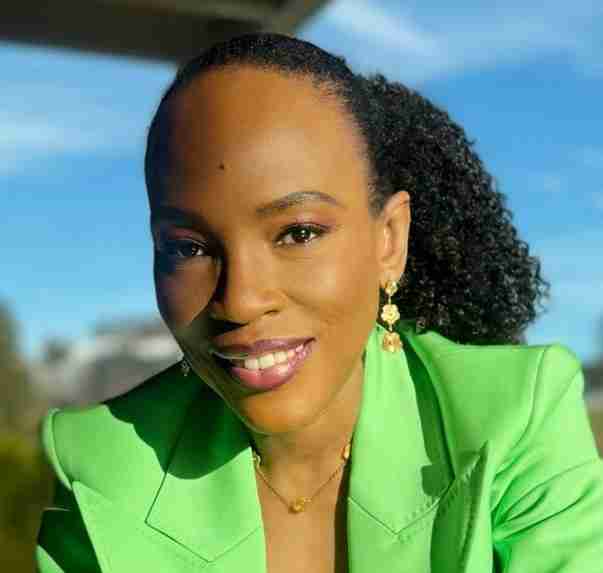
Maryann Selfe
Founder & President , FemmeHealth Alliance
Founder & President , FemmeHealth Alliance
Maryann Selfe is a Swiss-based wealth and investment strategist focused on long-term capital allocation and healthcare innovation. With more than 20 years of experience advising private wealth, family offices, and institutional investors, she previously held senior leadership roles in wealth and asset management including at Credit Suisse (later UBS), where she oversaw approximately USD 5 billion in private banking assets and advised on more than USD 700 million in client mandates. She is also the founder of FemmeHealth Alliance, a Swiss non-profit mobilizing capital into women’s health innovation, and a healthcare investor.
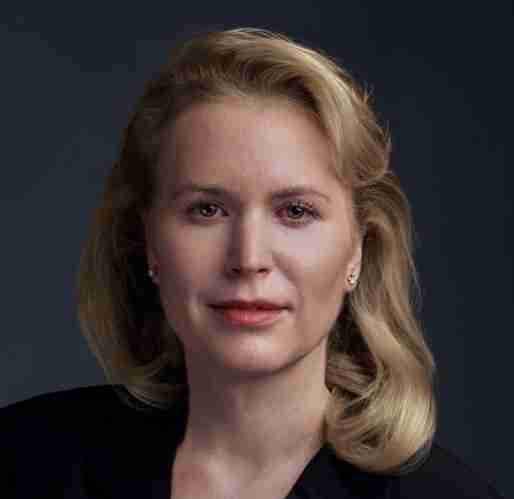
Dr. Marta Ra
Co-Founder and President, Women in Sustainable Finance
Co-Founder and President, Women in Sustainable Finance
Marta is a longevity finance specialist dedicated to advancing the financial frameworks that support healthier, longer lives and the economic systems they require. As scholarly publisher of Longevity Finance, alongside Sustainable Asset Management and Sustainable Wealth Management, she has helped define an emerging field at the intersection of demographic change, healthspan science, and capital markets.
Her interdisciplinary expertise is anchored by a PhD in International Business and a Harvard Medical School certificate in psychiatry, equipping her to bridge the biological, behavioural, and financial dimensions of longevity. This unique foundation informs her work across more than two decades in global finance, with senior roles at J.P. Morgan, Deutsche Bank, and Morgan Stanley.
Marta is Co-Founder and President of Women in Sustainable Finance and holds multiple board positions across the sustainable finance space, where she champions inclusive leadership as a catalyst for meaningful climate and longevity-aligned action. A Forbes Business Council member and TEDx speaker, she brings a rare blend of institutional finance experience and entrepreneurial vision to reshaping how capital serves longer, healthier human lives.
Longevity has emerged as a rapidly expanding investment theme, attracting capital across biotech, diagnostics, digital health, and services. This session reviews market size assumptions, deal flow, valuation dynamics, and recent transactions, separating durable opportunities from hype and highlighting where capital can generate both financial returns and real health impact.
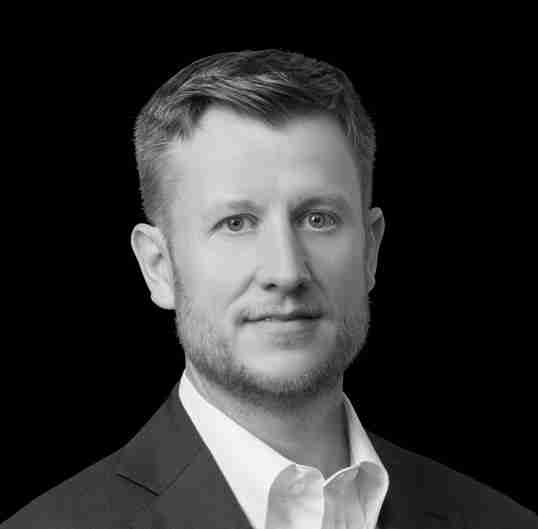
Dario Arnold
Co-Founder, Genesis Investment Partners
Co-Founder, Genesis Investment Partners
Dario Arnold is Co-Founder and Board Member of Genesis Investment Partners. He holds a Master of Science in Wealth Management from the University of Rochester/Simon Business School and a Diploma of Advanced Studies in Finance from the University of Berne. Dario has had 20+ years of experience in the investment management industry at UBS and UBP before founding Genesis Investment Partners.
Giuseppe Di Vita
Of Counsel, LEXIA
Of Counsel, LEXIA
Giuseppe Di Vita operates at the intersection of law, enterprise, and strategic impact. With a multidisciplinary background in Economics (Bocconi University) and Law (Università Cattolica), complemented by an LL.M. in Corporate Law from Fordham University in New York, Giuseppe brings a global outlook that combines legal sharpness with an entrepreneurial approach.
As a key member of LEXIA PRIVATE, Giuseppe bridges the gap between complex corporate legal frameworks and the strategic needs of High-Net-Worth Individuals and Family Offices. While his practice spans corporate law, fintech, and ESG for institutional clients, he leverages this technical expertise to advise private clients on the governance and protection of their most sophisticated assets. His dual perspective as a legal expert and an entrepreneur—coupled with his activity as an angel investor in longevity and conscious innovation—enables him to address wealth preservation and intergenerational continuity with a 360-degree approach that integrates business interests with personal legacy.
As co-founder of Acqua Foundation, a philanthropic platform connecting art, science, and environmental protection, Giuseppe is also committed to building ecosystems that generate both financial and cultural value.

Léa Wagenaar
Senior Health Advocate, SIP Medical Family Office
Senior Health Advocate, SIP Medical Family Office
With a Bachelor’s degree in Physical Therapy, Léa specialised in orthopedic and neurological rehabilitation. She began her career in an independent practice, focusing on restoring function and improving quality of life through tailored rehabilitation programs.
She joined Swiss Medical Network in 2017, a leading private medical group in Switzerland, where she initiated and led the development of a rehabilitation application designed to enhance and accelerate recovery following surgery or injury, including complex neurological conditions. She later advanced into the role of International Medical Coordinator, managing and coordinating medical treatments for an international clientele, ensuring a seamless and high-quality care experience.
Now part of SIP Medical Family Office, Léa is dedicated to expanding global access to premium healthcare solutions, driven by her passion for patient wellbeing and excellence in medical services.
Healthcare is no longer just a personal concern—it is a critical pillar of long-term wealth preservation and family legacy. This session explores how family offices can take a proactive, structured approach to healthcare, integrating it into their broader strategy alongside investments, governance, and succession planning.
Léa Wagenaar
Senior Health Advocate, SIP Medical Family Office
Senior Health Advocate, SIP Medical Family Office
With a Bachelor’s degree in Physical Therapy, Léa specialised in orthopedic and neurological rehabilitation. She began her career in an independent practice, focusing on restoring function and improving quality of life through tailored rehabilitation programs.
She joined Swiss Medical Network in 2017, a leading private medical group in Switzerland, where she initiated and led the development of a rehabilitation application designed to enhance and accelerate recovery following surgery or injury, including complex neurological conditions. She later advanced into the role of International Medical Coordinator, managing and coordinating medical treatments for an international clientele, ensuring a seamless and high-quality care experience.
Now part of SIP Medical Family Office, Léa is dedicated to expanding global access to premium healthcare solutions, driven by her passion for patient wellbeing and excellence in medical services.
Shane Bakker
The Longevity Hunter , Health Corp
The Longevity Hunter , Health Corp
The Longevity Hunter (Shane) is focused on building scalable health, performance, and longevity ventures. With over 40 years’ experience, he operates at the intersection of athlete performance, preventative health, and longevity science—translating emerging innovations into investable, real-world solutions for private clients and family offices.
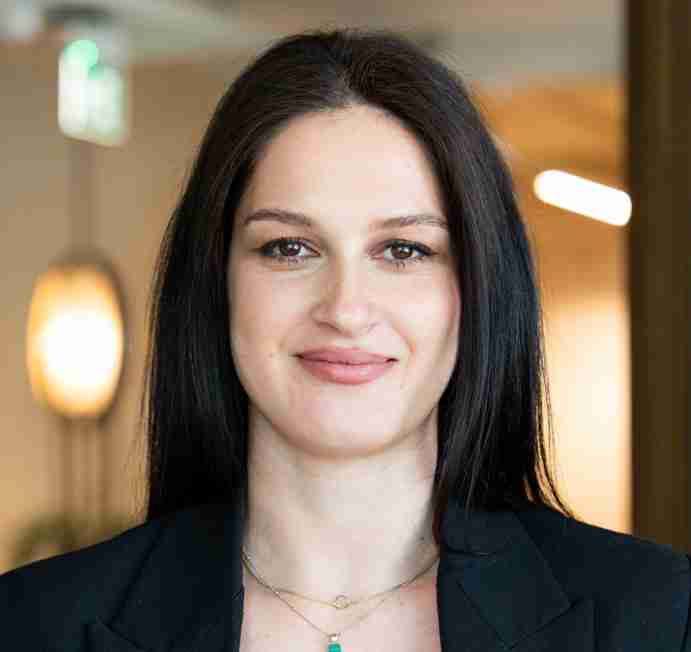
Dr. Natalia Trpchevska, MD, PhD
Scientific Director, AYUN
Scientific Director, AYUN
Scientific Director at AYUN and geneticist trained at the Karolinska Institute. She specialises in translating complex biomarker and genomics data into personalised strategies that optimise long-term health. Her work is particularly focused on advancing women’s health and longevity, helping women better understand hormonal transitions and build resilience, strength and vitality across every stage of life.
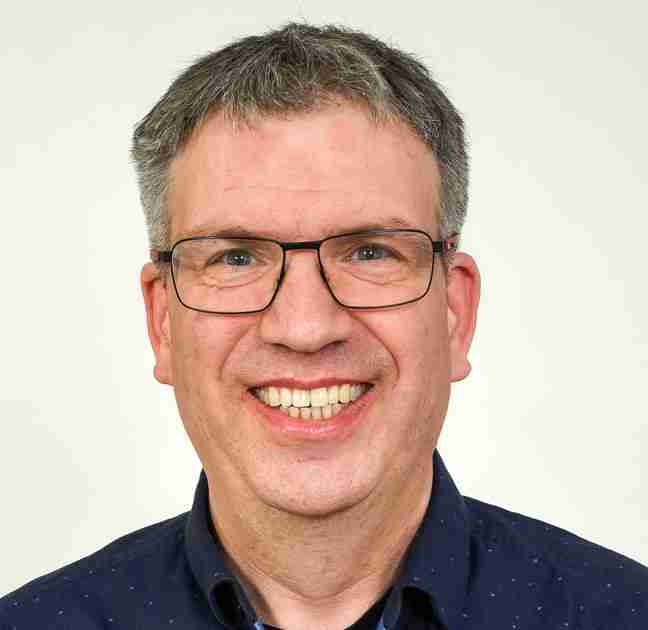
Dr. med, Daniel Herschkowitz
Ärztezentrum Solothurn
Ärztezentrum Solothurn
Dr. Daniel Herschkowitz, MD is a board-certified anesthesiologist and prehospital emergency physician with extensive experience in acute care, pain medicine, and integrative health. His clinical training includes work at University Hospital Berne, the Bernese Ambulance and Swiss Air-Rescue REGA, as well as service within the Swiss Armed Forces and military police.
Over the years, his professional focus evolved from emergency and perioperative medicine toward advanced pain management and longevity-focused care. He currently provides specialized pain treatment services (Pain Clinic Basel, Private Clinic Bethanien, Zürich etc. as a certified interventional pain treatment specialist)
Driven by a commitment to truly holistic medicine he completed a Master of Science in Clinical Psychology, strengthening his expertise in the biopsychosocial approach to chronic pain, resilience, and long-term health optimization.
His approach to longevity medicine integrates cutting-edge pain therapies, regenerative medicine, mindfulness, movement and exercise science, nutrition, and the critical role of social connection in human health. By combining evidence-based medicine with a comprehensive understanding of physical and psychological wellbeing he aims to help patients not only live longer, but live healthier, more active, and more meaningful lives.
This session critically evaluates the most popular dietary supplements in longevity and preventive medicine. It reviews mechanistic claims, clinical evidence, and placebo effects, distinguishing meaningful interventions from marketing-driven products. Participants gain a practical framework to assess supplement efficacy, safety, and relevance within evidence-based longevity and prevention strategies.
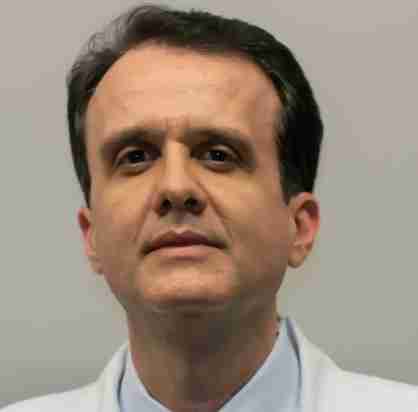
Prof. Athanasios Papatsoris
Professor of Urology, National & Kapodistrian University of Athens
Professor of Urology, National & Kapodistrian University of Athens
Full Professor Athanasios Papatsoris graduated from Patras School of Medicine with honorary scholarship. From the same Univerity he obtained also a MSc. Another MSc was obtained from Hellenic Open University in Health Management. His PhD was obtained at University of Athens. He was trained in Urology in London (UK GMC active member since 1997) and Athens. In London, he completed a 2-year Endourology fellowship (recognized by Endourological Society). Also, he completed a clinical fellowship in Laparoscopy in Le Mans, France, supported by EUSP. For one year he was honorary Consultant at Royal London Hospital. He holds honorary contract at Addenbrooke’s Hospital, Cambridge and is Faculty member of Cambridge Medical Academy and member of Cyprus Medical Council with GHS license to practice. He obtained a FEBU degree in 2007 (thereafter examiner/v. Chairman of the EBU Examination Committee).
Dr Papatsoris is Full Professor of Urology at 2nd Department of Urology, School of Medicine, Sismanoglio Hospital, Athens Greece. Also, he is Visiting Full Professor of Urology Lebanese University, Adjunct Professor Guangzhou Medical University of China, Adjunct Professor of Urology, Icahn School of Medicine, Mount Sinai, NY USA, Visiting Professor of Carol Davila University Bucharest, University of Basrah Medical College, Astana Medical University Kazakhstan, Invited Professor University of Medicine Tirana, Scientific Collaborator European University of Cyprus, honorable fellow of the PUA. Also, he is Assoc. Board member of ESOU (PCa Committee), EULIS, ESUT, ESAU, GAF, SEGUR and U-Merge. He is SIU Board of Director member, SIU Congress Organizer Chair, SIU Academy Endourology and IUA Board member. Also, for 4 years he was Secretary (General/Associate) of the Hellenic Urological Association (HUA), as well as Chairman of Section of Endourology–Laparoscopy, Chairman of Section of Oncological Urology and Board Member of HUA. He is Board member of the IMBE, European Medical Association Scientific Committee, Supreme Health Council member, Secretary General of Hellenic Genito-Urinary Cancer Group and Secretary of U-Merge.
Full Professor Papatsoris h-Index is 50 (>263 publications in PubMed, >7100 citations). He is member of the Editorial Board in many medical journals, invited faculty in international congresses, workshops, intensive courses and live Endourology surgeries, advisor/consultant in Pharma and Medical Device Companies. He has won the Endourological Society “Arthur Smith” award, the IAU outstanting contribution award and he is the Chairman of ESD annual Congress.
Most people will encounter complex medical decisions at some stage in their lives. Drawing on real patient experiences, this session explores the importance of navigating the healthcare system effectively once you step into the role of a patient. Framed through a reflective, human-centred lens, it weaves in elements of urology—acknowledging the lived experience, values, and dignity of individuals—while offering practical guidance on preparation, self-advocacy, seeking second opinions, and making informed choices. The aim is to reduce avoidable harm and support better, more compassionate care outcomes.
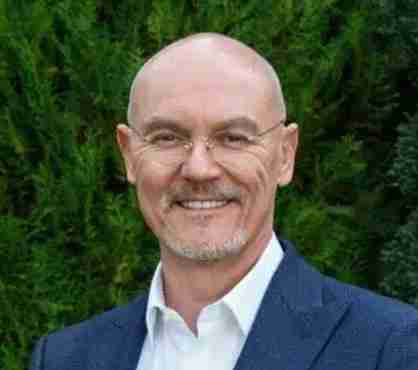
Oliver Neubert
Chairman & Founder, NEOVIVA
Chairman & Founder, NEOVIVA
Following a career in communications, Oliver decided to turn his talents to something more meaningful and has subsequently (and successfully) been working in the field of addiction treatment. NEOVIVA is the result of a long journey that began with his personal recovery from addiction some 30+ years ago. “It is my sincere wish that everyone who is suffering from addiction can find help,” Oliver says, “and at NEOVIVA, we have chosen our dedicated staff for their experience, empathy, and personal engagement for the well-being of our clients.”
Certified not only as a Postgraduate in Addiction Psychology & Counselling and a master’s degree in Addiction Studies by King’s College London but also “certified as a little dreamy and a bit impatient” by us, his zest for action is undeniable. True to his goal to implement his visions today rather than tomorrow, he and Fenina have joined forces to found NEOVIVA. When he is not involved in something NEOVIVA-related, he likely is trying to birdie the next hole, or spending time with his three donkeys.
Addiction represents a significant but often underestimated risk factor within wealthy families, influencing judgment, governance, and capital allocation. Beyond its human cost, it can lead to impaired decision-making, erosion of assets, and intergenerational consequences. This session examines addiction through a strategic lens, emphasizing prevention, early detection, and the importance of structured support systems.
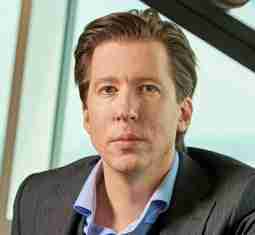
Vincent Corver
Steinway Artist, Swiss Sonic
Steinway Artist, Swiss Sonic
Vincent Corver is a Steinway Artist and award-winning pianist whose improvisational piano works blend intimacy with innovation. Beyond the concert stage, his music extends into clinical and wellness settings, where sound is designed to support the body and mind. Collaborating with visual artists and immersive technologies, he creates refined, emotionally resonant pieces that bridge art, science, and storytelling.
Music is more than art—it is a powerful modulator of human biology. Research shows that music can reduce stress, enhance cognitive resilience, and support emotional wellbeing, all key drivers of healthy aging. This session explores the science of sound alongside a live piano performance, illustrating how music can contribute to a longer, healthier life.
Alex Gray
International Moderator
International Moderator
Alex Gray is an internationally renowned live MC and television host, recognised for her versatility across a wide range of sectors, including sport, health, finance, and lifestyle. Her presenting work has seen her host for prestigious names such as the BBC, Henley & Partners, QVC, and Red Bull.
Alongside her broadcasting and live hosting career, Alex has become a respected voice within the autoimmune community, speaking at events including the Allergen and Free From Show and the Genesis Health Conference. After appearing as a contestant on the BBC hit show The Traitors, she has also developed a series of talks on the psychology of lying, informed by both her first-hand experience on the programme and her academic training in psychology.
Alex grew up in Cambridge and graduated from University College London with a first-class BSc in Psychology.
Followed by Networking Drinks Reception